
Lower repayments alone do not tell you whether the business is better off.
There has to be a purpose
A refinance may help consolidate debt, release equity in appropriate assets, adjust monthly commitments or move a business into a stronger banking relationship. Each of those is a different objective. We start with the reason for changing the arrangement, then look at the assets and loans that might be involved.
A longer term can make the monthly number smaller while increasing the time the business stays in debt. It can also leave finance attached to equipment that is nearly due for replacement. That is not necessarily a good trade.
Count all the moving parts
Current payouts, early termination charges, market value, asset age, security releases, new fees and the total cost of the proposed arrangement all belong in the comparison. So does the capacity the refinance creates or uses with the receiving lender.
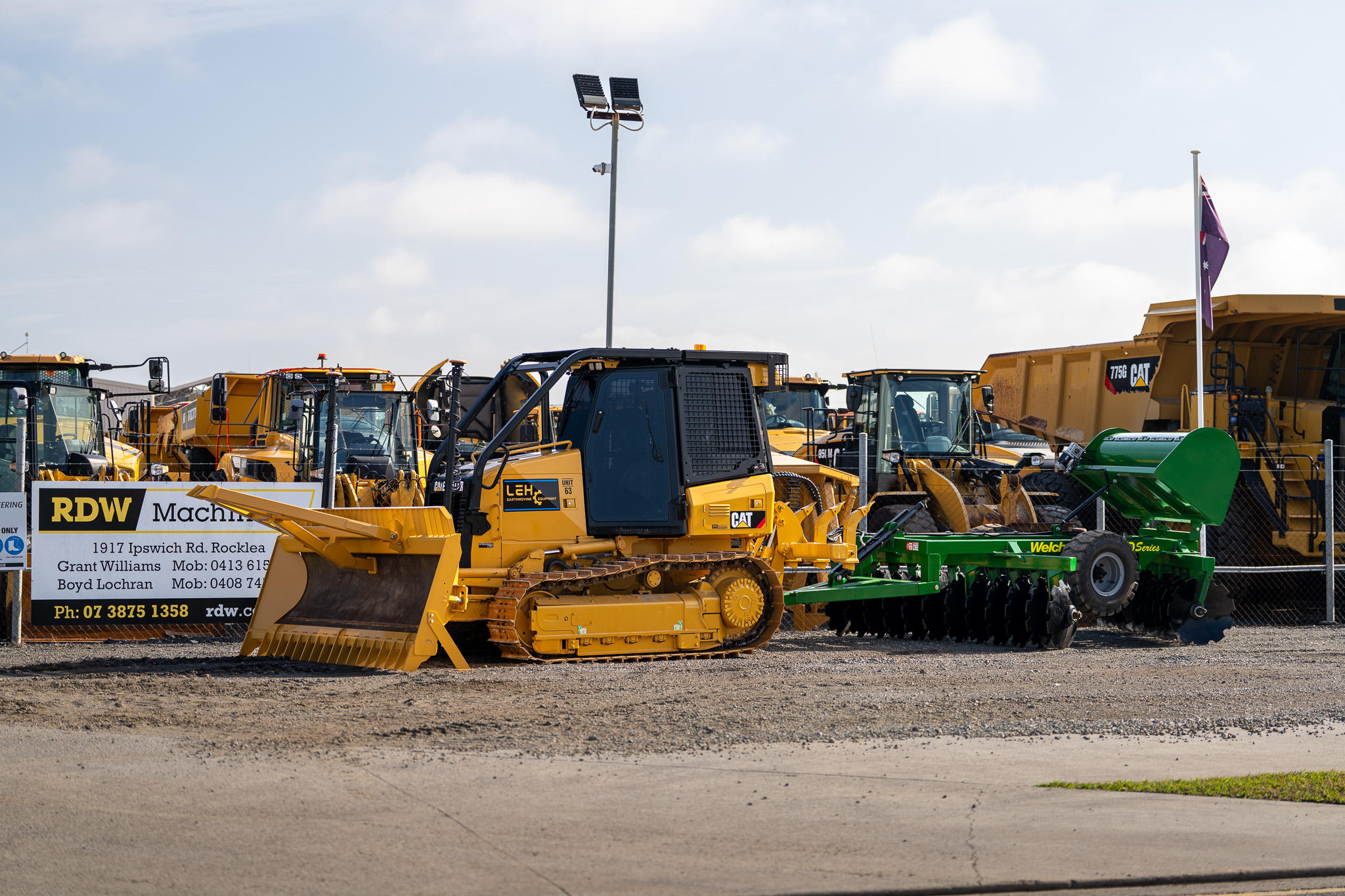
It can be smarter to move only part of a fleet. A high-use asset with years of service ahead may suit a different term from a machine likely to be sold next season. The decision should be made asset by asset within a whole-fleet view.
What success looks like
The business should know what is changing, what the move costs and how it helps the following purchase or operating cycle. A refinance is valuable when it improves that wider position, not just when the new monthly payment looks appealing.
Every business, asset and lender is different. Talk through your circumstances with your advisers before making a finance decision.