
Consolidation can restore options, but moving every loan at once may create a new problem.
The problem is not the number alone
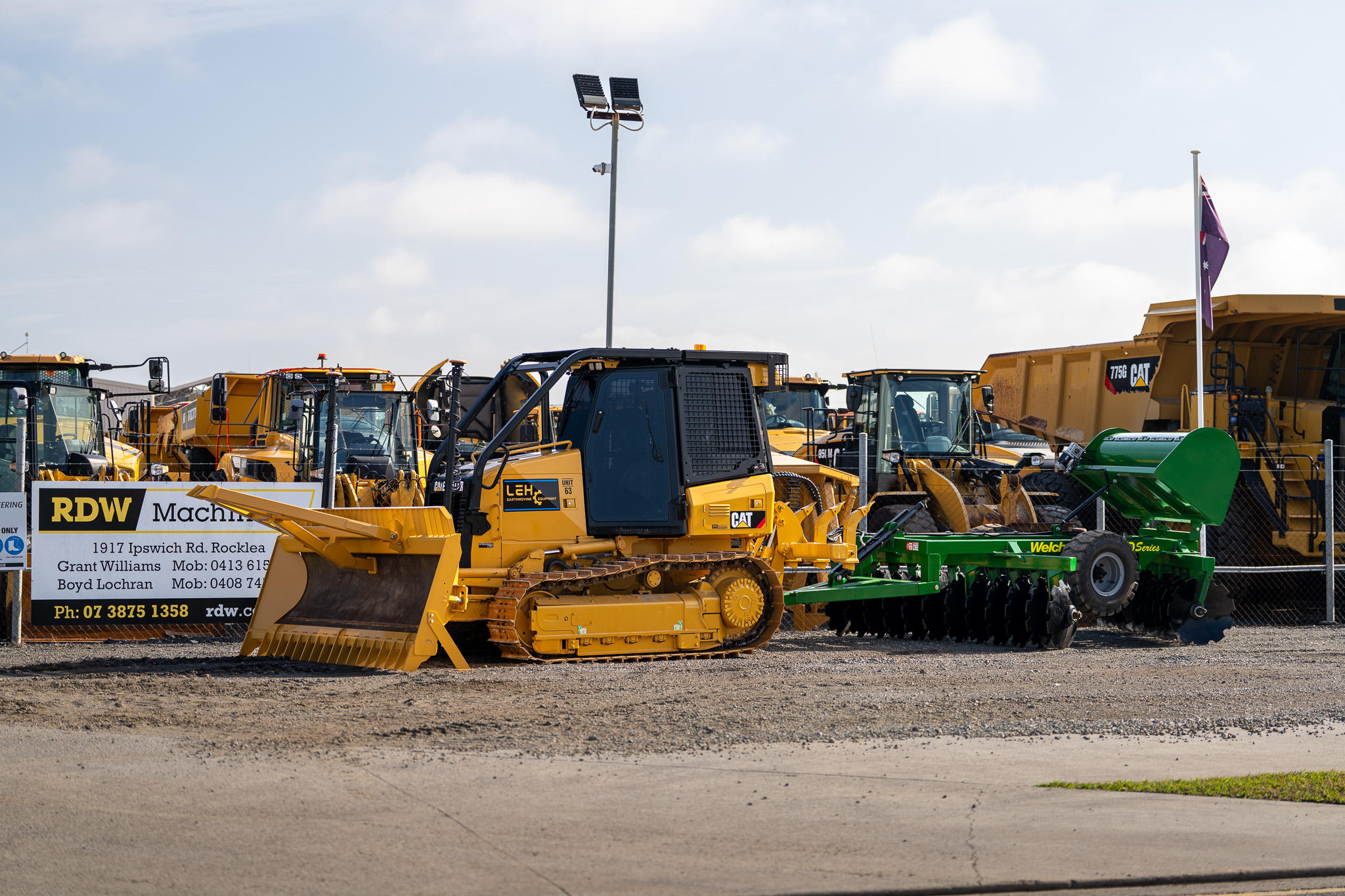
A large fleet can sensibly use several lenders. Trouble begins when each relationship has been filled without a view of the whole business. The next machine comes up and every lender is at its comfort limit, while the owner is managing different maturities, balloon payments and security arrangements across the fleet.
At that point another lender may be one option, but adding an eleventh name does not automatically fix the underlying structure. First we need to know which assets and facilities can move, what they would cost to pay out and what capacity a receiving lender would actually provide.
Move selectively, not blindly
A refinance can bring a group of appropriate assets to one or two lenders and reopen room with existing financiers. It may also simplify reporting and the timing of repayments. But early termination costs, asset values, securities and the remaining working life of the equipment all affect whether the move is worthwhile.
We would model the proposed repayments against the existing schedule and check what capacity the new arrangement leaves. If moving the debt merely fills the receiving lender and leaves the business no better placed, the plan needs another look.
Start with a reliable schedule
Collect the loan agreements, current balances, payout figures, asset descriptions and expected replacement dates. That schedule tells us what is actually available to restructure, rather than relying on an impression of how much debt the fleet carries.
Every business, asset and lender is different. Talk through your circumstances with your advisers before making a finance decision.