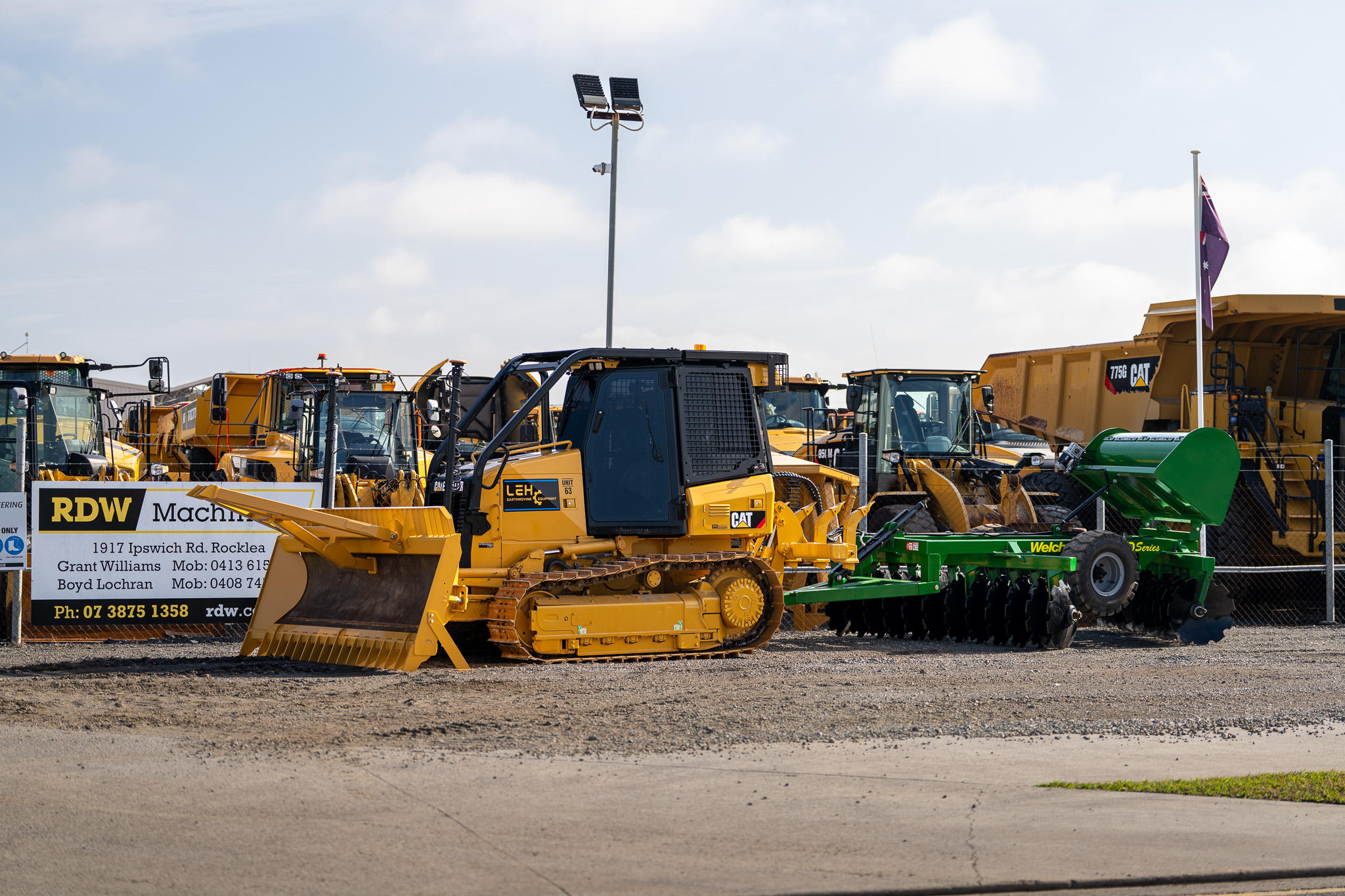

The machines may stay on site, but the borrower and security arrangements still matter.
A new entity changes more than the name
Business owners sometimes establish a new operating company, acquire a business or change how their group holds assets. Existing equipment loans do not necessarily follow the equipment into the new structure automatically. The lender will want to know which entity owns the asset, which entity earns the income and which one is responsible for the debt.
That is why equipment finance should be considered while the restructure is being planned, rather than after the paperwork is signed. The accountant and solicitor lead on tax and legal structure; we focus on the lending implications and the assets involved.
Map what needs consent or fresh funding
List each machine, the current borrower, the lender and any related security. Some facilities may be able to stay as they are; others could require lender consent, payout, transfer or a new approval. We cannot assume one solution applies across a mixed fleet.
There may also be a new asset purchase in the middle of the transition. A plan for that machine needs to work with both the outgoing and incoming structure.
Keep the advisers aligned
The practical goal is continuity: the business can keep operating, the lender understands its borrower and the next equipment purchase has a clear path. Early discussion with the accountant, legal adviser and broker gives everyone a better chance to get there.
Every business, asset and lender is different. Talk through your circumstances with your advisers before making a finance decision.